The Portrait
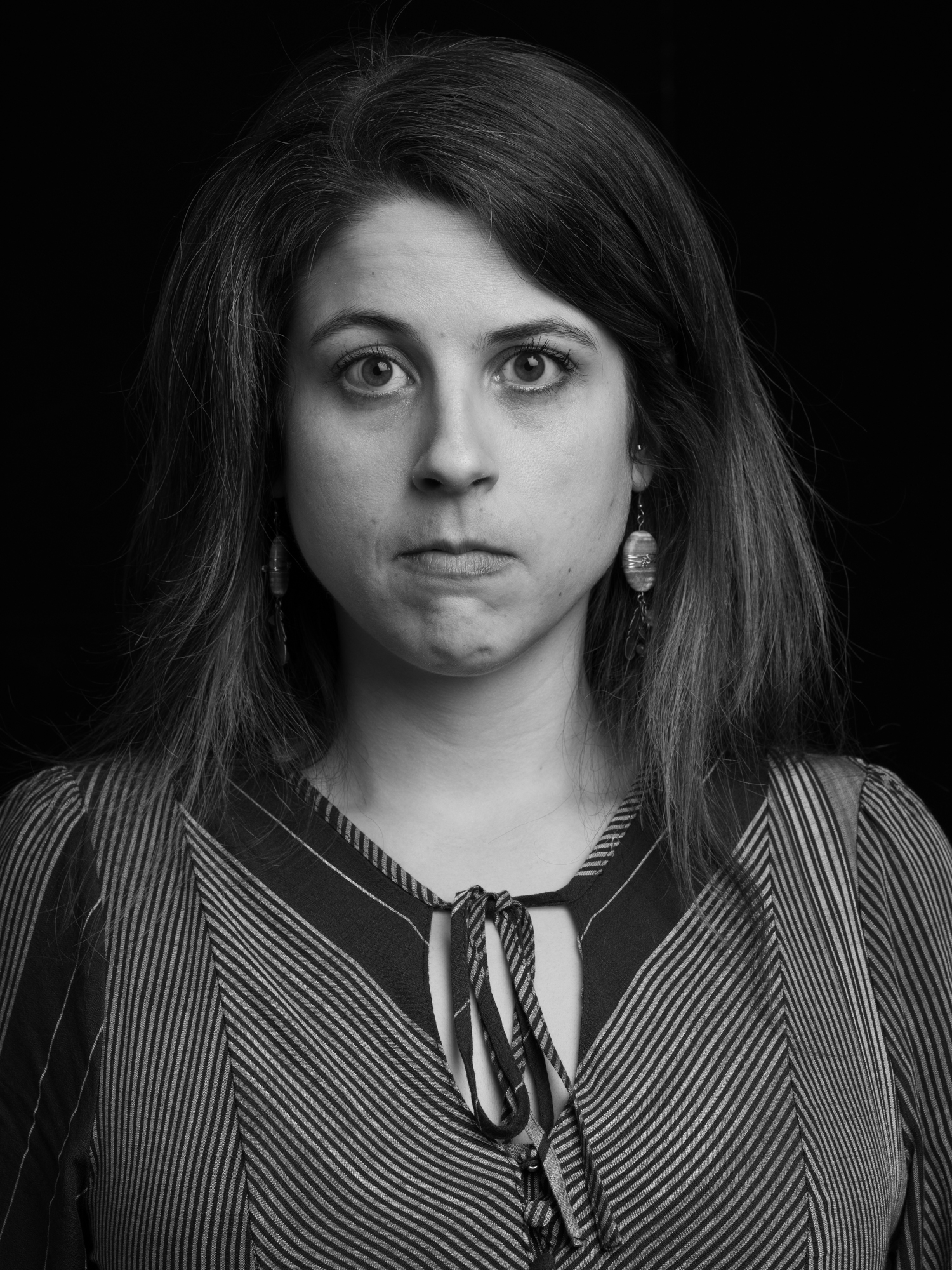
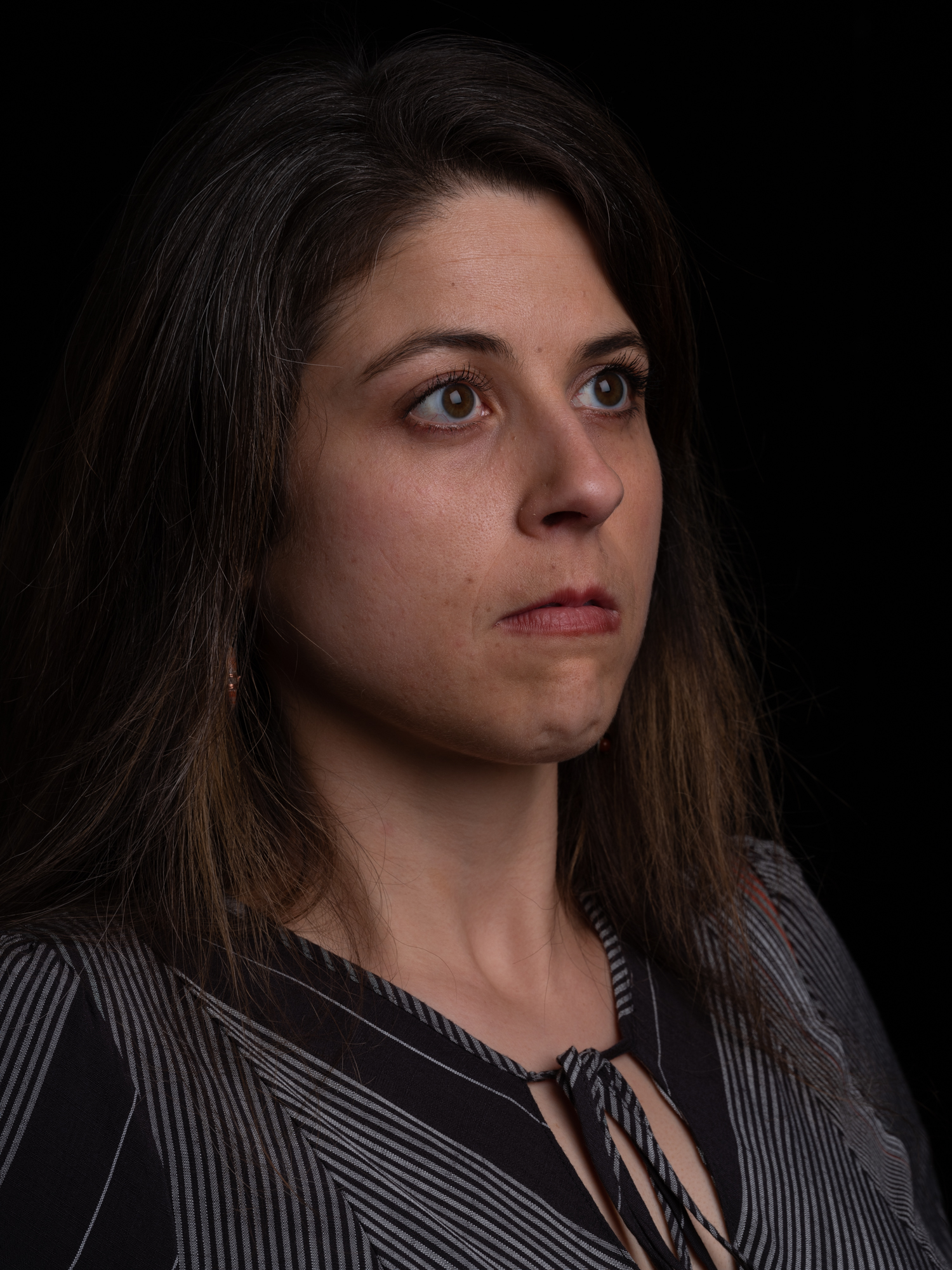
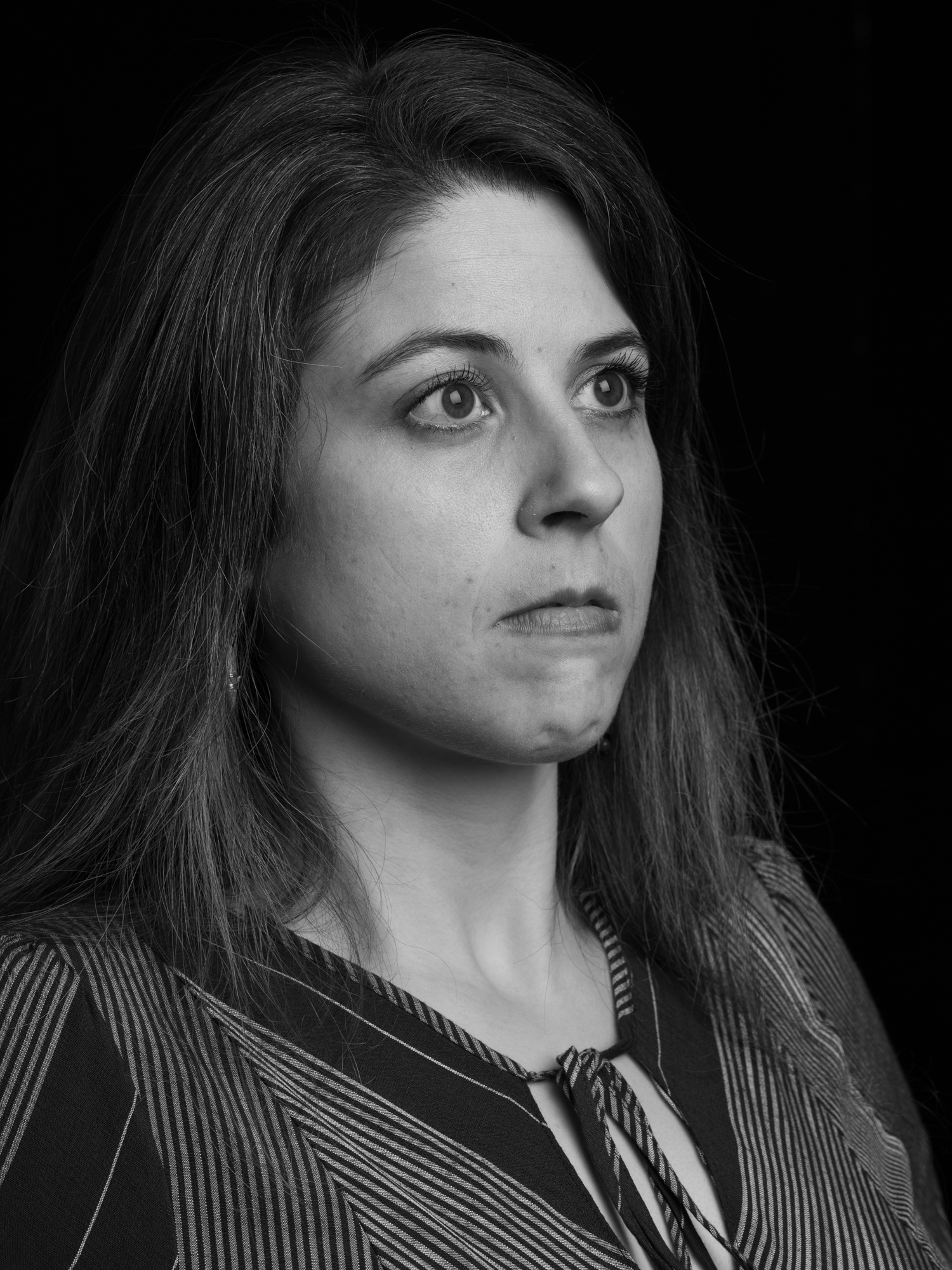
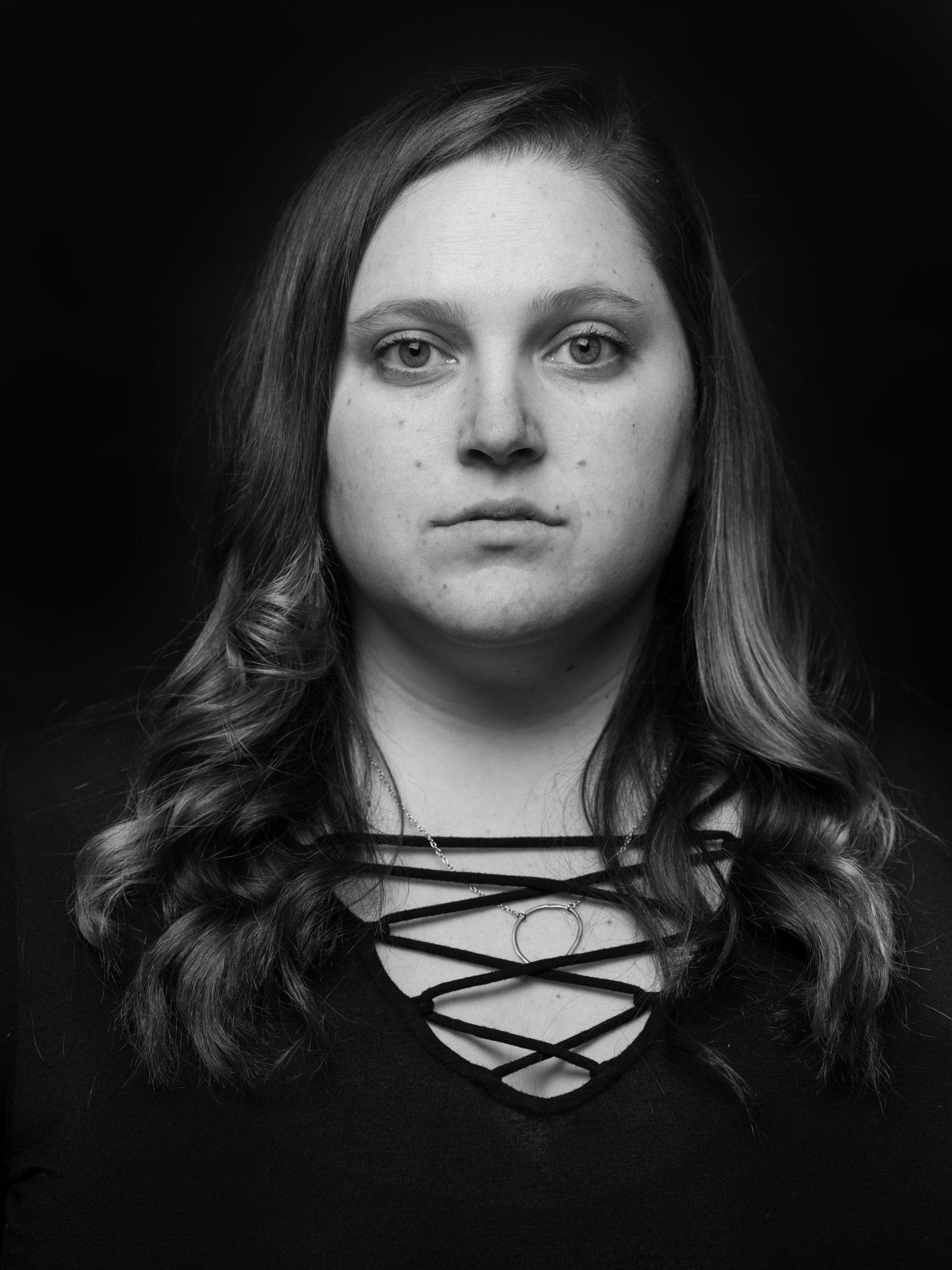
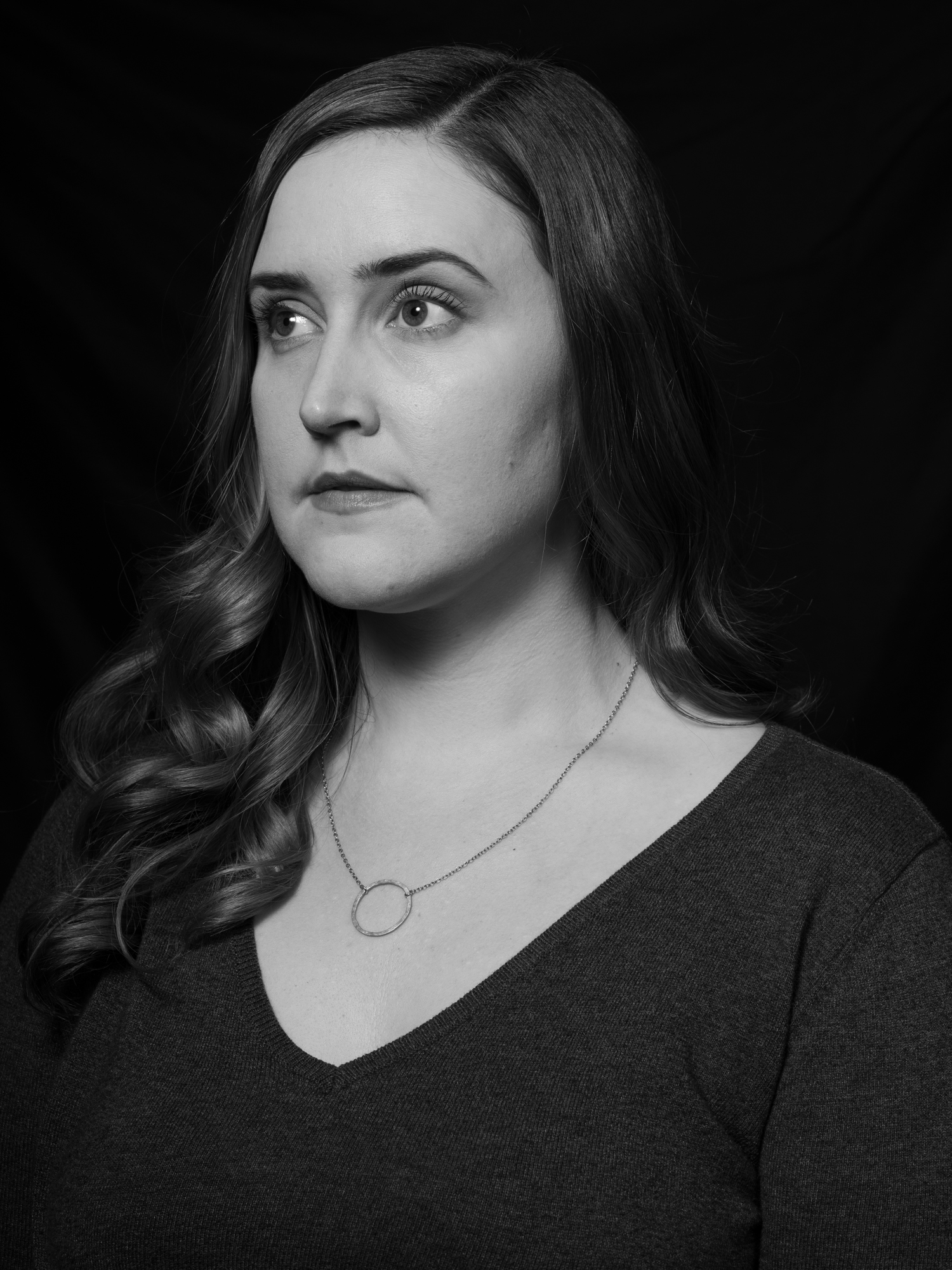
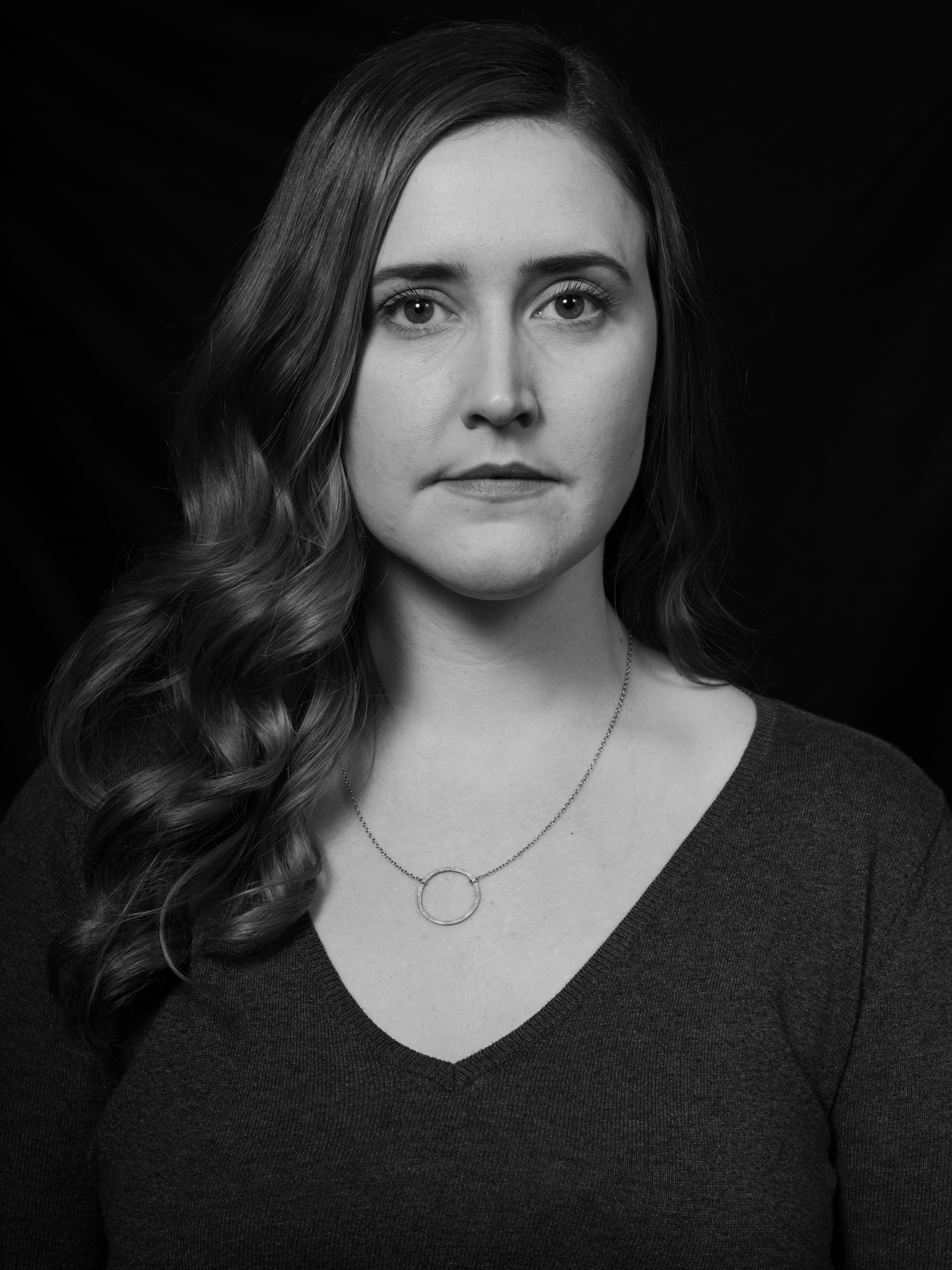
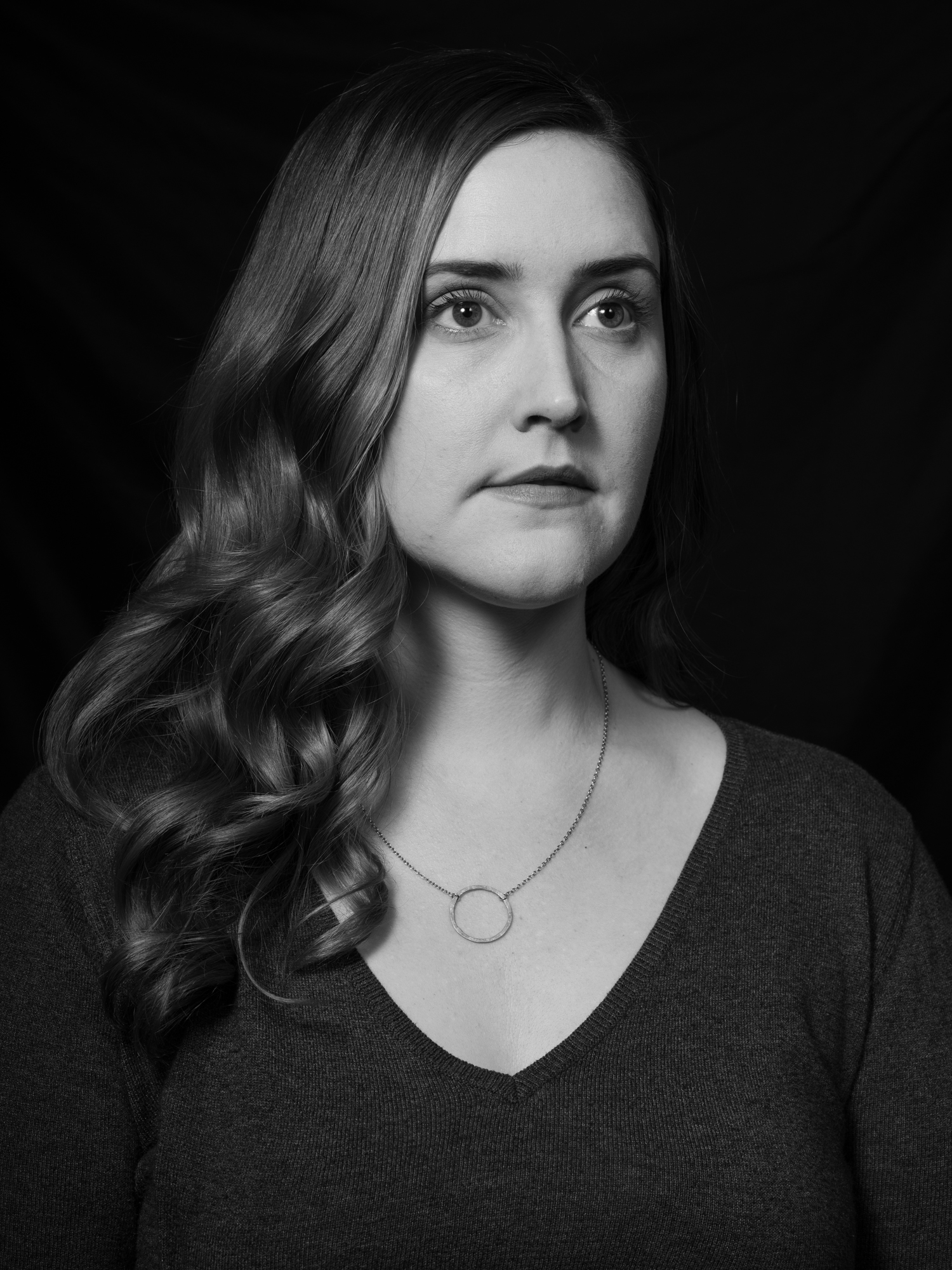
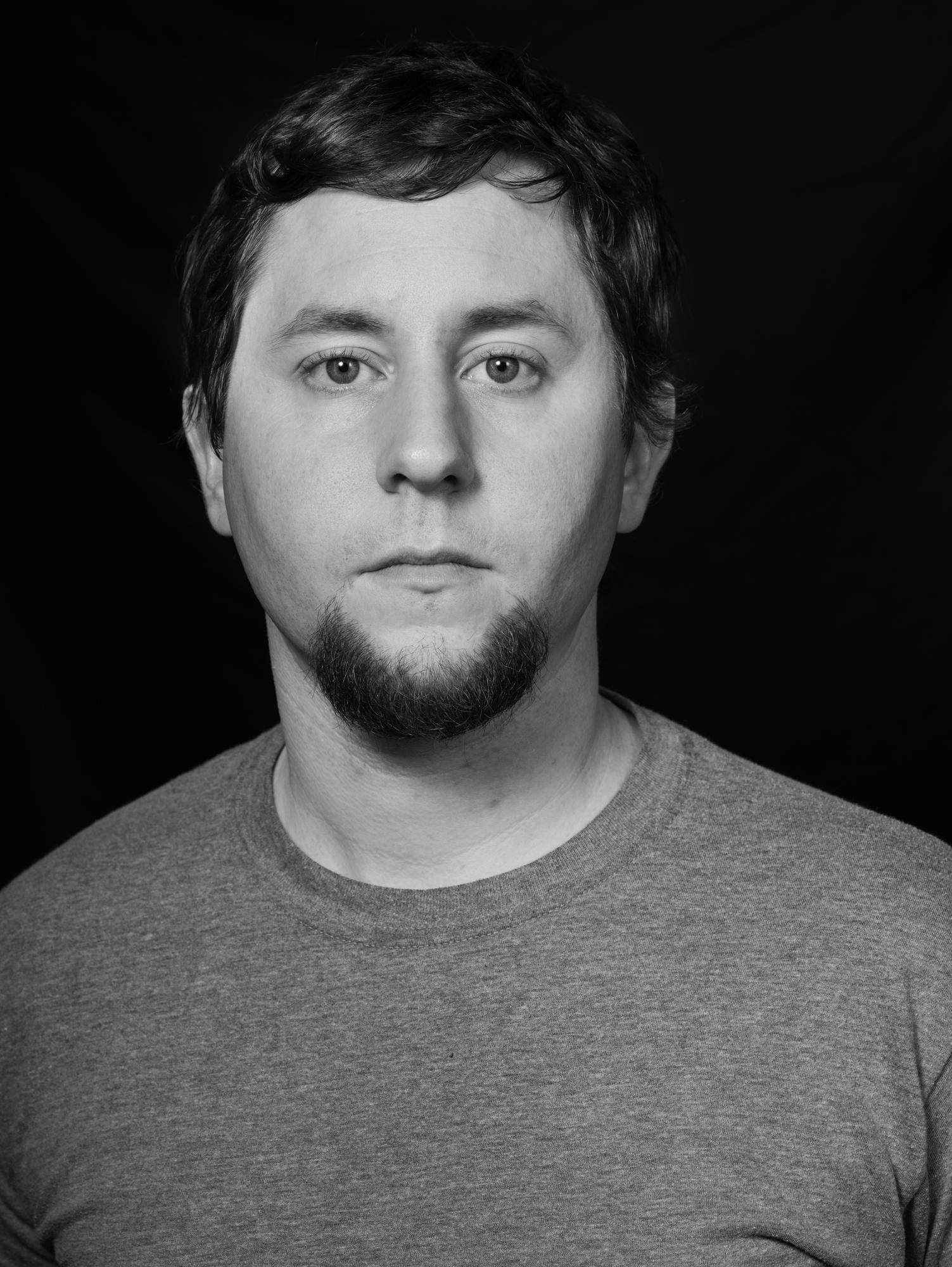
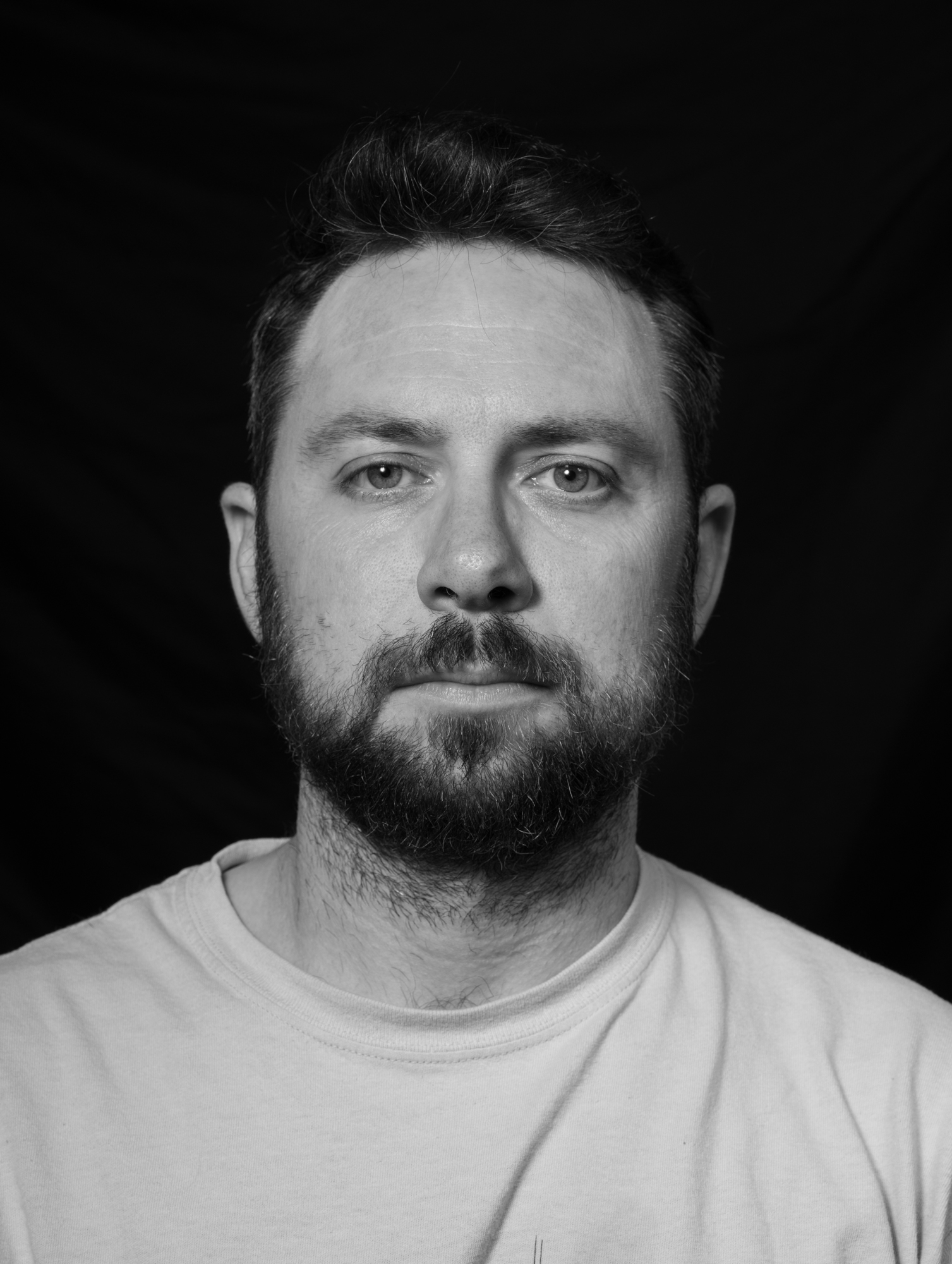
I chose to pursue deadpan portraiture for my portrait project spring 2020 at CSUS. Through Bernd and Hilla Bechers’ adherence to a strict set of rules in documenting the industrial world their work evolved beyond simply documentary purposes and crossed the threshold into conceptual artistic practice despite their insistence that what they were doing was not art or made for artistic purposes; Bechers’ work provided inspiration into the nature of deadpan portraiture. Part of my drive to photograph has come from wanting to understand more how we communicate; this has been a major part of what I have struggled with in my work. I keep coming back to the idea that no matter how hard we try to gain a common understanding of literally anything in the conceivable or even inconceivable universe there will always be a disconnect between individuals and what is agreed upon as ‘truth’. Keeping this in mind After viewing a room of deadpan portraits I couldn’t really understand why a picture of someone with the intent to show no emotion could cause a great stir of response within myself. Only after stumbling across a TEDtalk on Youtube that explained how humans evolved to use common types of expression to indicate friend or foe and that it still is something that lives within us today that I started to see why deadpan portraiture can be so powerful. I did some research into the area of deadpan aesthetics and as with anything I have tried didn’t accomplish exactly what has been done before. This is because I am not trying to exactly copy the work that precedes me, but, to add to the historical body of work that has already been done. I used a set of rules that I developed myself. I have reasoning for every aspect of what is in the frame, I chose to use a black backdrop because I am not attempting to simply document but straddle objectivity and subjectivity the plain expressions for objective purposes and the black background to demonstrate the depth of the human experience and how we really can’t see or understand fully what that is. I also chose to develop the photographs in black and white as well as color; this is because the camera sensor initially records the image in black and white and through complex algorithms translates the data into a color image. Do you sense any emotion in any of these photographs? If so, thinks about what you may be projecting onto the photograph with your own feelings and experiences. Share in the comments below your reaction to these photographs!
The Rules
- Black Backdrop
- Eyes fully open and visible
- Single light
- Lighting used to only show shapes and contours of face and body for the audience to inspect

















 Kraintz Photography